We Help You Help All Kids. This is the tagline for National Center for Youth Issues and is a foundational principle of the work we do each day.
Each day, you are pouring into the lives of children, many of whom are going through struggles and challenges that make school important for many reasons in addition to the educational aspect. As an organization dedicated to equipping you to lead them well, we aim to be one of your favorite resources in those efforts.
At NCYI, we work to support Counselors, Student Service Professionals, Educators, and Parents on the path towards a more inclusive education system at national, state, and regional levels, and as part of everyday practice in schools, educational settings, professional development, and at home.
Our advocacy for inclusive education means that we work to create event and training experiences, as well as resources that support the work of education so that students can access and fully participate in learning alongside their peers, supported by reasonable adjustments and teaching strategies tailored to meet their individual needs.
We look forward to serving you and building relationship as you navigate these important years with students.
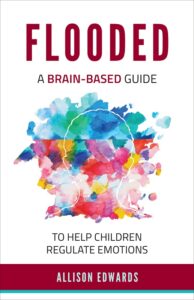
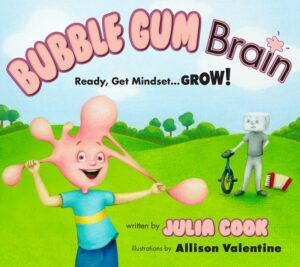
New Releases
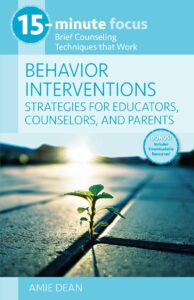
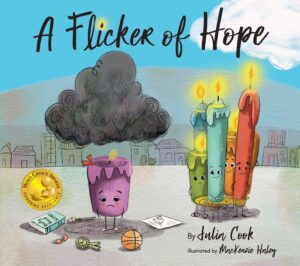
Best-Sellers
What Others are Saying
I would recommend without reservation to any district/organization considering a partnership with NCYI! Whether NCYI is managing our Texas ASCA-affiliated conference (LSSSCA) or a local in-service event, the attention to detail, follow-up and support are consistently professional! NCYI understands school counselors and knows how to support District Supervisors like me. We simply tell tell them what we want, and they handle the rest! The NCYI Speaker’s Bureau is comprised of high quality thought leaders who are equipped to not only deliver a keynote, but are also skilled at delivering complete workshops!
Tammi Mackeben
Director of Guidance and Counseling
Socorro ISD, El Paso, TX
…Our district was so pleased with the recent event NCYI helped us host. The speaker was absolutely fantastic – I have heard rave reviews from families, staff, and counselors all weekend. Thank you, as well for the fabulous book fair (Product Showcase), and for making last week possible. We appreciate you!
New releases, classroom activities, K-12 resources
Subscriber discounts and special offers
Relevant reads from education experts and authors
Plus in the welcome series of emails you will get a 20% off Promo Code to use in our online bookstore
Please note that we use cookies necessary for the functioning of our website and to optimize performance. To learn more about our cookies and how we use them, please read our Privacy Policy.